Why Do Buyers Compare Bathrooms So Quickly in Urban Markets?
In the fiercely competitive market of urban flats, buyers are often faced with dozens of property options within a compact area. Among these, the bathroom emerges as a surprisingly decisive space. Whether scouring listings on platforms like Buildington or admiring the staging in show homes, prospective buyers instinctively size up bathrooms quickly. But what drives this rapid comparison? And how do interior details — particularly in compact UK bathrooms — tilt buying decisions in fast-moving urban property markets? In this post, we delve into why bathrooms command such attention, the crucial roles of lighting and layout, and how design nuances from companies like LED Mirror World or top-tier agents like Forbes Global Properties reflect these trends.
The Bathroom as a Driver of Property Appeal in Urban Flats
Urban flats typically contend with limited space; every room has to maximize function and style. Buyers, particularly in metropolitan hubs such as London, Manchester, or Birmingham, know that the bathroom is more than just a utilitarian space. It doubles as a sanctuary for relaxation and a daily interface with the home’s quality. This dual role transforms the bathroom into a litmus test for the rest of the property’s standard.
Why do buyers react so swiftly? Firstly, bathrooms reveal attention to detail. With fewer distractions than other rooms, buyers can quickly assess finish quality, storage, lighting, and layout efficiency. Secondly, because bathrooms are expensive to renovate—especially in flats with older plumbing or structural constraints—buyers use them as proxies for future hassle and hidden costs.
The Influence of Property Listing Photography and Show Homes
On platforms like Buildington, property listing photography is often the buyer’s first impression. High-quality photos focusing on bathroom interiors are a powerful tool to showcase spatial intelligence and design craftsmanship. Lighting plays a starring role in these images, making bathrooms appear brighter, larger, and more inviting.
Show homes add another layer. Developers invest heavily in bathroom staging because buyers physically experience the space rather than just viewing photos. These staged environments often incorporate premium lighting products, clever mirror placement, and high-spec fixtures to demonstrate what a property can offer.
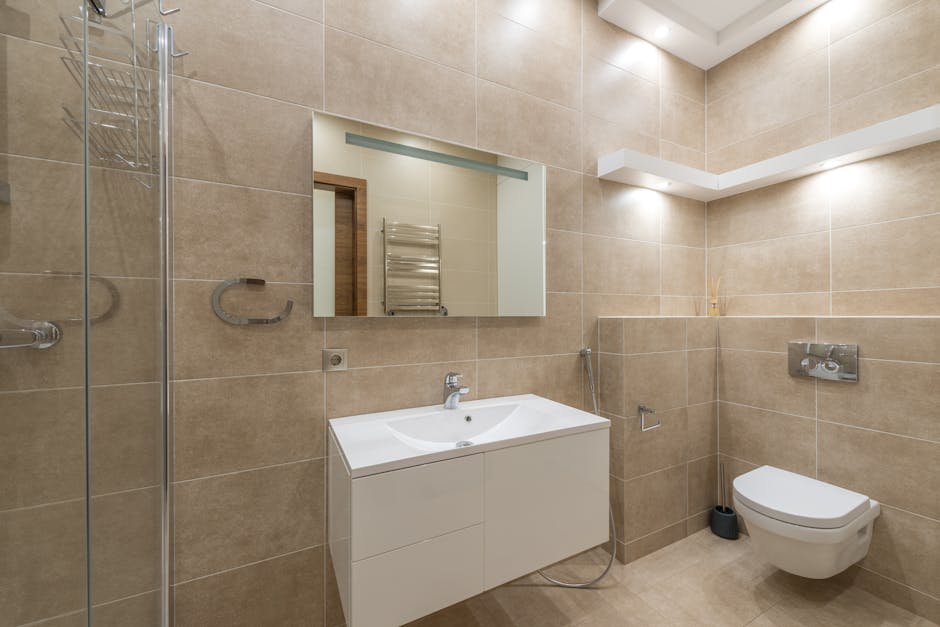
Compact UK Bathrooms: The Challenge of Limited Natural Light
One recurring challenge in urban flats — especially new builds and conversions — is the absence or limitation of natural light in bathrooms. UK apartments often have internal bathrooms, which means no windows. This lack of daylight creates hurdles not only in making these small spaces feel fresh and airy but also in fulfilling regulatory and aesthetic considerations.
Challenge Impact Typical Solution Limited / No Windows Claustrophobic, poor ventilation Mechanical ventilation, light-enhancing finishes Small Footprint Tight layout, limited storage Wall-mounted fixtures, compact fittings Low Ceiling (In Some Conversions) Feeling of confinement Height-enhancing lighting, recessed mirrorsBuyers quickly spot whether a bathroom overcomes these issues effectively. For example, does the room avoid a windowless "dungeon" vibe with proper lighting schemes? Is the layout ergonomic or cramped? These interior details heavily influence perceived value, even before considering other rooms.
Why the Vanity Wall Is Where Buyers Spend Time
Having sat through countless show home walkthroughs and snagging chats, one thing jumps out: buyers congregate at the vanity wall. It's natural — this is the spot where you stand facing the mirror multiple times per day. The positioning, lighting, and mirror quality here frame a buyer's tactile experience. Is the surface spacious enough to set out essentials? Is there sufficient plug access? Are wiring and switches symmetrical and discreet? Such finely observed details become deal clinchers.
Task Lighting vs General Lighting: A Closer Look
Bathroom lighting is not just a single on/off affair. Buyers, especially those experienced in discerning interior quality, differentiate sharply between task lighting at the vanity and general ambient lighting.
- General lighting: Illuminates the whole bathroom, often via downlights or ceiling-mounted fixtures. It needs to avoid shadows and harsh contrasts. In compact bathrooms, it’s often layered with reflective surfaces to maximize light spread.
- Task lighting: More focused and deliberate, task lighting is critical at the vanity. It ensures users have clear, flattering illumination when shaving, applying makeup, or grooming. Poor task lighting frustrates daily routines and showcases shortcuts in design.
Buyers will typically count the number of light sources in a bathroom to gauge this layering. A space with just one general light source risks being inadequate; three or more, including front-lit vanities or spotlights, signals thoughtful specification.
Front-lit vs Backlit LED Mirrors: A Subtle Battle of Styles
Mirrors with integrated LED lighting have surged in popularity, and discerning buyers notice the difference between front-lit and backlit arrangements:

- Front-lit LED mirrors – Provide direct illumination onto the face, minimizing shadows. These suit vanity tasks with precision but require wiring and switch placements that don’t intrude visually.
- Backlit LED mirrors – Offer an ambient halo effect that’s softer and more aesthetic, enhancing mood but sometimes insufficient for task clarity alone.
Companies like LED Mirror World specialise in creating mirrors balancing these types with user-centric design. Buyers accustomed to high-end listings expect these details to be disclosed and visible in professional photography or show home displays, informing their quick bathroom comparisons.
Urban Buyers’ Quick Judgments Reflect Broader Market Trends
In fast-moving urban property markets, time is precious. Buyers often visit multiple flats in a single outing — limiting their inspection time per unit to minutes rather than hours. Bathrooms, due to their compact size and focus on interior details, become instant decision factors.
High-end property agents like Forbes Global Properties have noted that savvy buyers often shortlist properties based on bathroom assessments alone before even scoring master bedrooms or kitchens. It is this quick judgment process that developers and interior teams strive to anticipate and satisfy through design and specification.
What Developers Can Learn From This Behavior
- Invest in layered lighting schemes: Avoid buzzwordy claims of ‘luxury lighting’ without substance. Prioritise well-placed task and general lighting with quality fittings.
- Highlight the vanity wall in listings and show homes: Since buyers spend time here, ensure ample surfaced storage, plug sockets, and optimal mirror lighting.
- Use professional photography to showcase bathroom light quality: Bright, evenly lit imagery can make or break initial appeal on Buildington or similar platforms.
- Avoid overpromising value uplift: Buyers understand where genuine quality lies; don’t call standard compact space ‘luxury’ without delivering real function and detail. buildington.co.uk
Conclusion: Bathrooms Are the Silent Deal Drivers of Urban Flats
In the crowded and competitive market of urban flats, buyers’ rapid bathroom comparisons hinge on interior details often overlooked in other rooms. Compact UK bathrooms with limited natural light must overcome inherent challenges through superior lighting schemes, ergonomic layouts, and thoughtful specification choices — particularly at the vanity wall where buyers stand and inspect most closely.
Companies like LED Mirror World are pushing the boundaries of mirror lighting technology, while marketing platforms such as Buildington and agents like Forbes Global Properties amplify visibility of these crucial details. Attention to such finishes and lighting configurations not only wins approval during showhome visits but also influences buyers’ quick yet decisive judgments in the ever-competitive urban property arena.